Eau de… What? A Beginner’s Guide to Eau de Vie
What is Eau de Vie, what does it taste like, and how do you drink it?
Let’s get acquainted with one of the fruitiest — and perhaps most misunderstood — spirits around.
You know gin. You know rum. You definitely know whisky.
But Eau de Vie?
Eau de… what?
If you’ve never heard of it, you’re in good company. It’s one of those spirits that often gets a curious look when we mention it at the distillery.
And then we pour a glass.
That’s when things get interesting.

So, what is Eau de Vie?
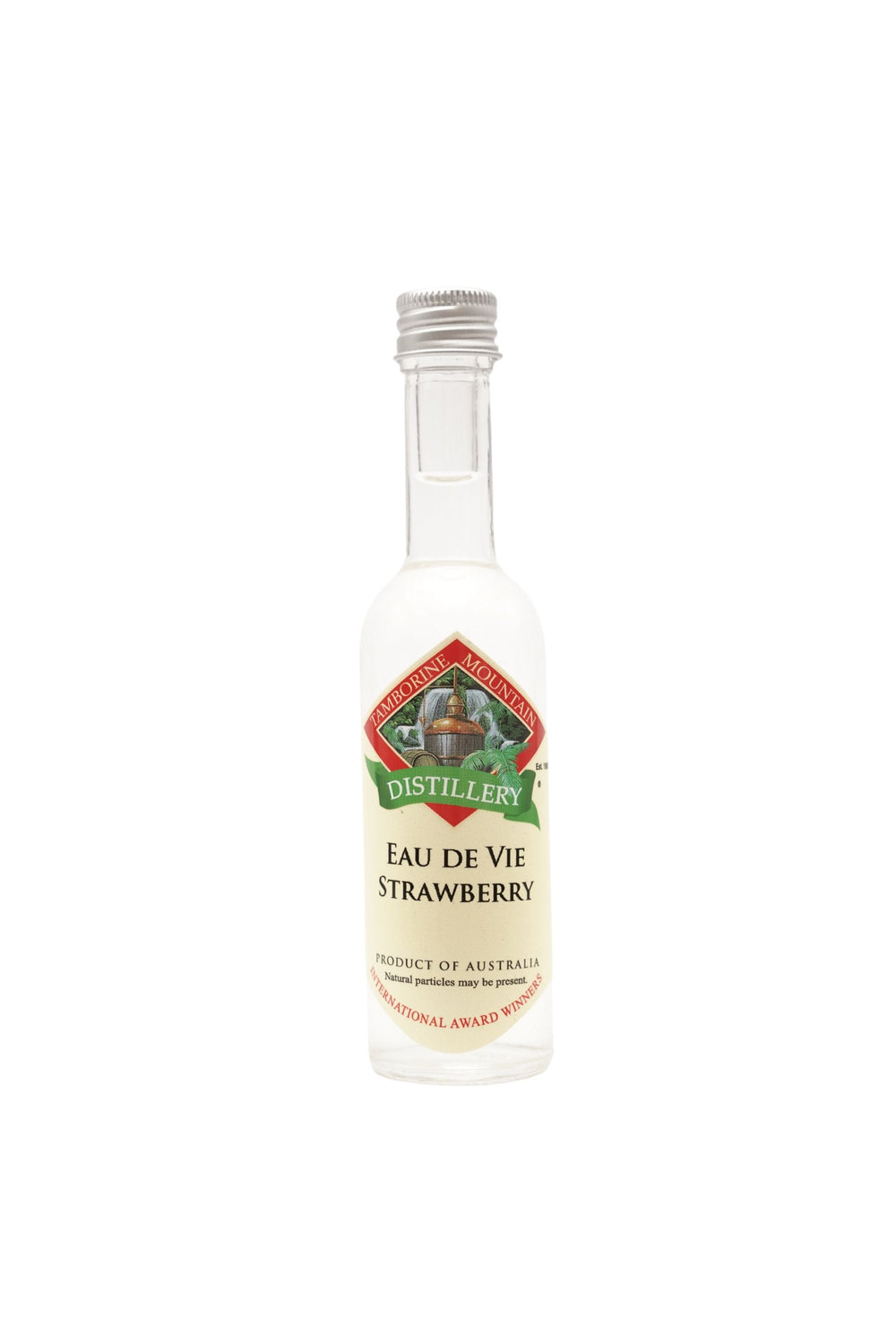
Eau de Vie is a clear spirit traditionally made by fermenting fruit and then distilling it to capture the fruit’s natural aromas and character.
The name comes from the French eau de vie, meaning “water of life”.
Despite being made from fruit, Eau de Vie is generally not sweet like a fruit liqueur. Instead, the experience is about discovering the fruit through its aroma and flavour after fermentation and distillation.
Think less sweet strawberry drink and more “Oh… I can smell the strawberry.”
How do you pronounce Eau de Vie?
Let’s get this one out of the way before we go any further.
Eau de Vie is roughly pronounced “oh-duh-vee”.
And yes, saying it with a slight French accent while holding a tasting glass is entirely optional.
What does “Eau de Vie” mean?
Literally translated from French, Eau de Vie means “water of life”.
The term has a long history in European distilling and is commonly associated with clear fruit spirits made from fruits such as pears, apples, plums, cherries, apricots, and raspberries.
Different regions have their own traditions, fruits and methods, but the idea at the heart of Eau de Vie is wonderfully simple:
Take the character of fruit and see where distillation takes it.
How is Eau de Vie made?

It starts where you’d expect.
With fruit.
The exact process depends on the fruit and the distiller, but in simple terms:
1. Choose the fruit
The character of the finished spirit starts with the fruit itself.
Different fruits behave differently, which is one of the things that makes working with Eau de Vie so interesting.
2. Ferment it
The fruit is prepared and fermented, allowing yeast to convert its natural sugars into alcohol.
This is where the transformation from fruit towards spirit begins.
3. Distill it
The fermented fruit is then distilled.
This is where the distiller’s experience becomes particularly important. Distillation isn’t simply a matter of switching on a still and waiting for Eau de Vie to appear at the other end.
A distiller is smelling, tasting, and making decisions throughout the process.
4. Follow your nose
Aroma is a huge part of Eau de Vie.
The finished spirit may be completely clear, yet bring your glass towards your nose and you can begin to discover reminders of the fruit it came from.
That contrast is one of the things we find fascinating about it.
Is Eau de Vie the same as a fruit liqueur?
No. Eau de Vie and fruit liqueur are quite different.

This is probably the biggest misconception we encounter.
If someone hears “strawberry spirit” or “pear spirit”, it’s understandable to imagine something sweet and fruity.
But Eau de Vie isn’t about adding lots of sweetness to recreate the flavour of fresh fruit.
A fruit liqueur is typically sweetened and may use fruit, juice, extracts, or other flavouring methods to create its flavour.
With Eau de Vie, the fruit character comes through fermentation and distillation.
That creates a very different drinking experience.
So if you taste a Strawberry Eau de Vie expecting strawberry syrup, you may be surprised.
And that’s exactly the point.
What does Eau de Vie taste like?
There isn’t one answer, because the fruit matters.
A Pear Eau de Vie isn’t going to express itself in the same way as Strawberry, Apple or Apricot.
You might notice fresh fruit aromas, floral notes, stone-fruit character, orchard fruit or something more delicate and subtle.
And two people tasting the same glass may notice different things.
How should you drink Eau de Vie?

If you’re trying Eau de Vie for the first time, start by tasting it neat at an appropriate serving temperature.
And don’t rush straight to the first sip.
Smell first.
Bring the glass towards your nose and see what you notice.
Can you identify the fruit?
Does it remind you of fresh fruit? Flowers? An orchard? Something completely different?
Then taste.
Take a small sip and give it a moment.
What you taste may not be exactly what your nose suggested.
Then compare.
This is where Eau de Vie becomes particularly fun.
Put Strawberry beside Pear.
Or Apple beside Apricot.
Smell one, then the other.
Taste them side by side, and suddenly the personality of each fruit becomes much easier to recognise.
Can you use Eau de Vie in cocktails?
Absolutely. Eau de Vie can be enjoyed neat or used in cocktails where its fruit aroma and character can add another dimension to the drink.

For us, the important thing is not to lose what made the spirit interesting in the first place.
A good Eau de Vie cocktail doesn’t necessarily need a long list of ingredients. Sometimes a lighter, fresher serve gives the fruit room to do the talking.
It’s also a lovely way to discover Eau de Vie if you’re more accustomed to enjoying spirits in cocktails than drinking them neat.
And if you're wondering where to start, have a browse through our cocktail recipes — you might just find a new way to enjoy your favourite fruit.
Meet the Moulin Rooz Collection
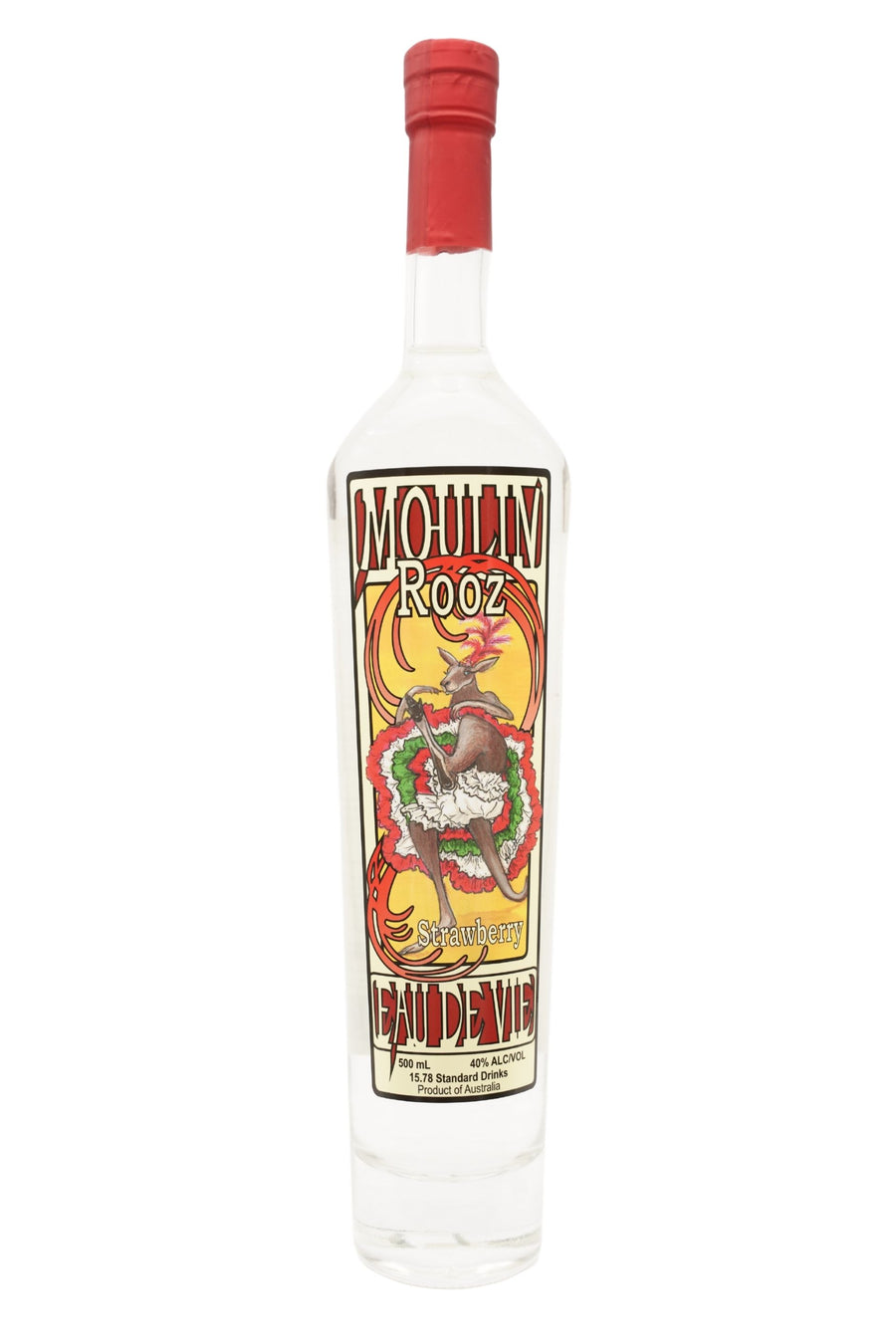
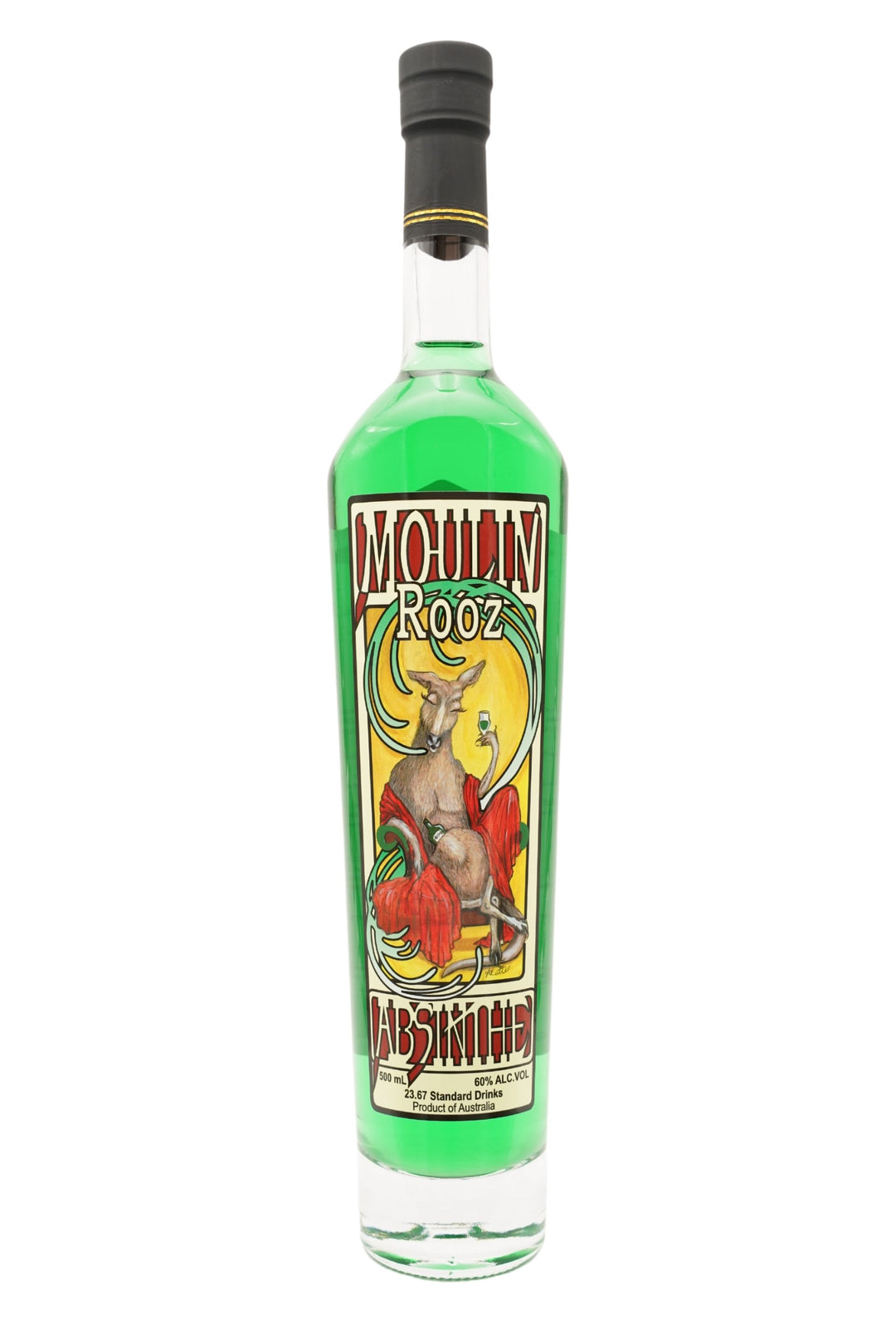
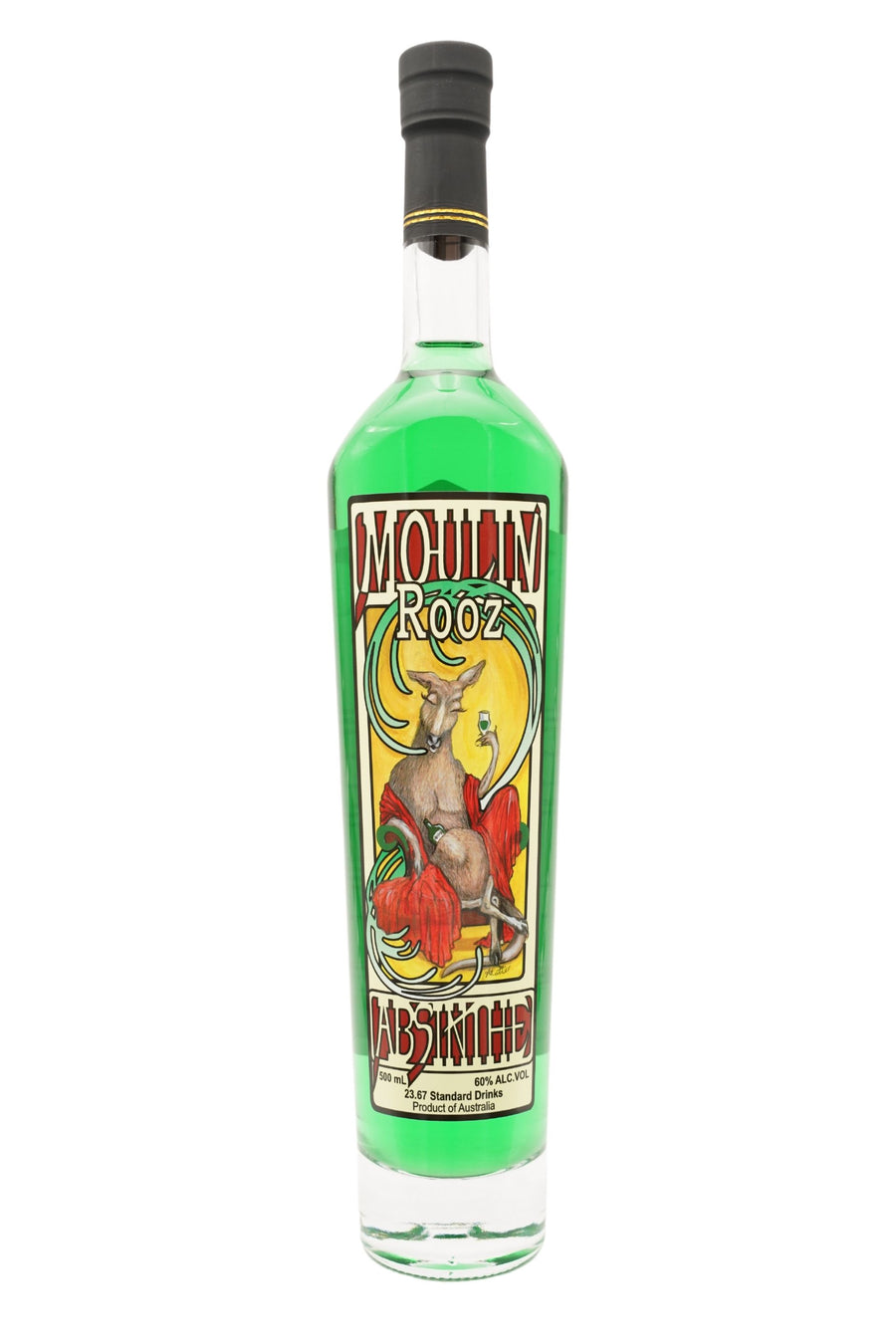
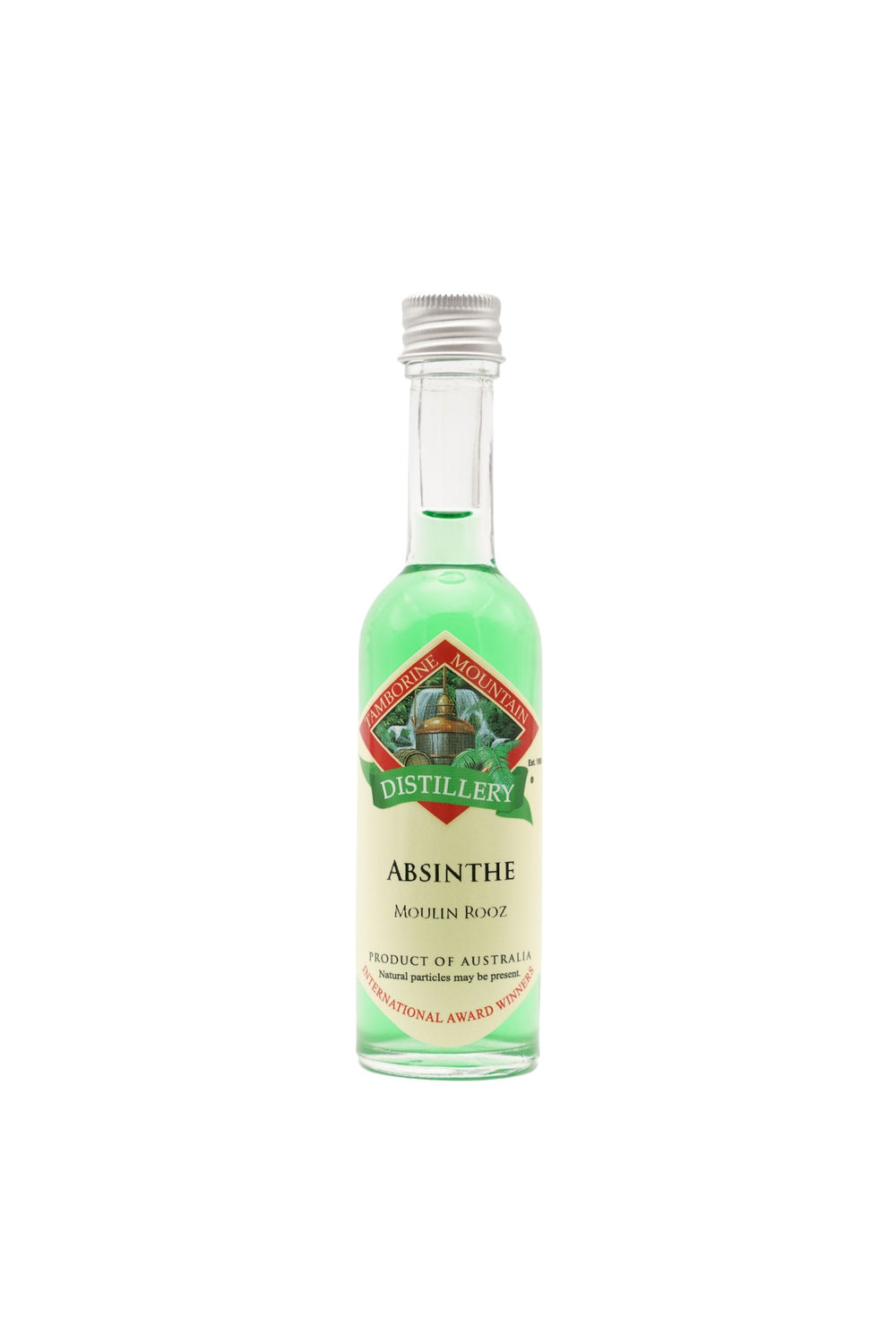
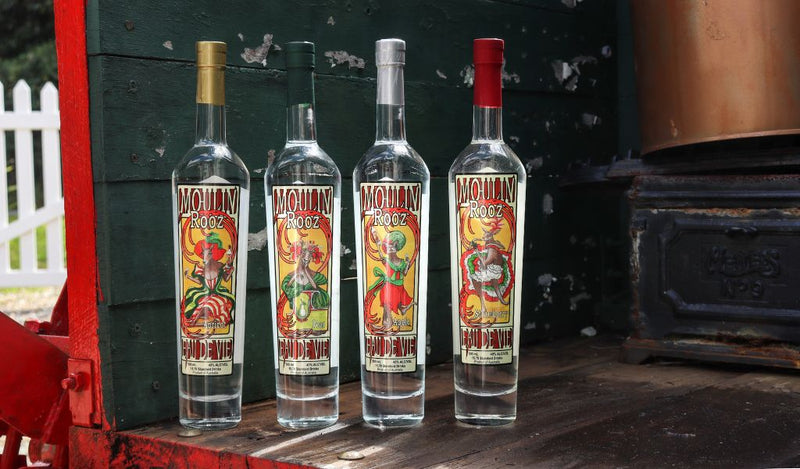
Inspired by the great traditions of French distilling, our Moulin Rooz collection is our little nod to France here at Tamborine Mountain Distillery. This collection brings together our four fruit Eau de Vie alongside our Absinthe.
Within the Moulin Rooz range, you'll find four very familiar fruits expressed in a rather different form:
Strawberry Eau de Vie
Apple Eau de Vie
Apricot Eau de Vie
Pear Eau de Vie
Four fruits. Four different personalities.
Which one is best? We could tell you, but where would be the fun in that?
We recommend a far more enjoyable approach: taste them.
And if Eau de Vie has sparked your curiosity about French spirits, there’s one more member of the Moulin Rooz family waiting to be discovered — our Absinthe.
► VISIT TAMBORINE MOUNTAIN DISTILLERY
Frequently Asked Questions
What is Eau de Vie?
Eau de Vie is a clear fruit spirit traditionally made by fermenting and distilling fruit to capture its natural aromas and character. The French term Eau de Vie translates to “water of life”.
Is Eau de Vie the same as a fruit liqueur?
No. While both can be made with fruit, Eau de Vie is a distilled fruit spirit and is generally not sweet like a fruit liqueur. Its fruit character comes through fermentation and distillation rather than added sweetness.
What does Eau de Vie taste like?
The flavour of Eau de Vie depends on the fruit used to make it. You may notice fresh fruit, floral, or delicate aromatic notes, but you shouldn’t necessarily expect the sweetness of fresh fruit. Each fruit develops its own character through distillation.
What fruits are used to make Eau de Vie?
Eau de Vie can be made from many different fruits, including pears, apples, apricots, plums, cherries and berries. At Tamborine Mountain Distillery, our Moulin Rooz collection includes Strawberry, Apple, Apricot and Pear Eau de Vie.
How do you drink Eau de Vie?
Eau de Vie can be enjoyed neat, allowing you to explore its aroma and fruit character. Start by smelling the spirit before taking a small sip. Tasting different fruit Eau de Vie side by side is also a great way to discover their individual personalities.
Can Eau de Vie be used in cocktails?
Absolutely. Eau de Vie can bring fresh fruit aromas and character to cocktails. Simpler, lighter serves can work particularly well, allowing the character of the fruit spirit to remain at the centre of the drink.
Is Eau de Vie sweet?
Eau de Vie is generally not a sweet spirit. Although it is made from fruit, its character comes from fermenting and distilling the fruit rather than creating the sweetness you might associate with a fruit liqueur.
Where can I taste Eau de Vie in Queensland?
You can discover Strawberry, Apple, Apricot and Pear Eau de Vie from our Moulin Rooz collection at Tamborine Mountain Distillery on Tamborine Mountain, Queensland. Visiting the distillery also allows you to learn more about the spirits and the craft behind them.