How to Make a Martini: A Guide to the Classic Cocktail
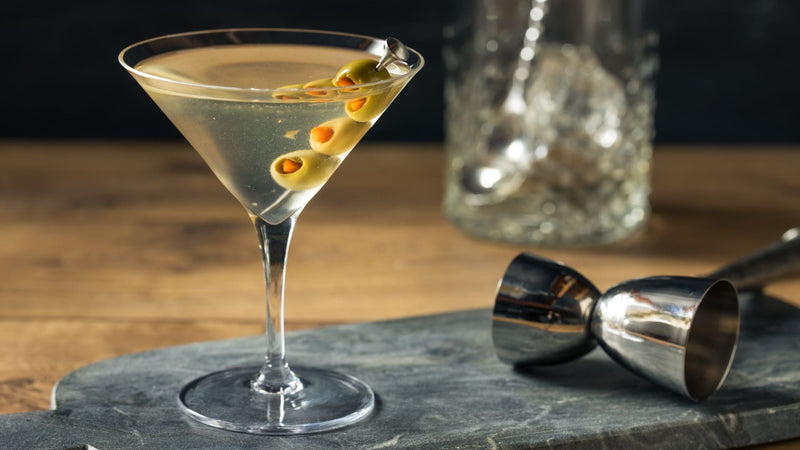
Gin or Vodka, Dry or Dirty, Shaken or Stirred — Finding Your Martini
Few cocktails have generated quite as many opinions from so few ingredients as the Martini.
Gin or vodka?
Dry or wet?
Olive or lemon twist?
Shaken or stirred?
At its simplest, a Martini brings together a spirit and vermouth, served cold and usually garnished with an olive or citrus twist. But change the ratio, spirit, garnish or mixing technique and you can create a remarkably different drink.
That's part of what has kept the Martini interesting for generations.
So rather than telling you there's only one correct way to make one, let's look at what each choice actually does to the drink.

Where Did the Martini Come From?
The exact origin of the Martini remains debated.
One frequently discussed predecessor is the Martinez, a 19th-century cocktail combining gin and vermouth with ingredients such as maraschino liqueur and bitters.
As cocktail tastes changed, drinks bearing the Martini name became progressively drier, eventually developing into the familiar combination of gin and dry vermouth.
Vodka later established its own place in Martini culture, helped considerably by a certain fictional British secret agent and his preference for having his drink shaken.
The precise family tree may be debated.
The Martini's place in cocktail history isn't.
What Is in a Classic Martini?
You don't need a long shopping list.
A classic Martini requires:
- Gin or vodka
- Dry vermouth
- Ice for mixing
- An olive or lemon twist to garnish
The interesting part is the ratio.
A useful starting point is:
Classic Dry Martini
Ingredients
- 60ml gin
- 10–15ml dry vermouth
- Ice
- Lemon twist or olive
Method
Chill your cocktail glass.
Add the gin and dry vermouth to a mixing glass filled with plenty of ice. Stir until thoroughly chilled and appropriately diluted.
Strain into the chilled glass and finish with a lemon twist or olive.
Then start experimenting.
More vermouth will produce a softer, more aromatic Martini. Less vermouth puts greater emphasis on the spirit.
There isn't one ratio that everyone has to prefer.
Finding yours is half the fun.
Gin Martini vs Vodka Martini: What's the Difference?
This choice changes the personality of the drink considerably.
Gin Martini
Gin brings its own botanicals into the glass — commonly juniper alongside citrus, herbs, spices or other botanicals depending on the gin.
That means you're tasting an interaction between gin botanicals and vermouth, making the spirit itself a prominent part of the cocktail.
Vodka Martini
Vodka generally provides a cleaner base, allowing the vermouth, dilution and garnish to become more noticeable.
But that changes when you use a botanical or flavoured vodka.
And that's where Martinis become particularly interesting for us at Tamborine Mountain Distillery.
Should a Martini Be Shaken or Stirred?
James Bond made one answer considerably more famous.
Traditionally, however, a Martini is stirred with ice.
Stirring chills and dilutes the drink while generally retaining a clear, silky texture.
Shaking introduces more agitation and aeration. It chills the drink quickly and creates a different texture and appearance.
Neither glass is going to self-destruct because you chose the wrong method.
If you want the traditional approach, stir.
If you prefer yours shaken, shake it.
The more important lesson is something that both methods have in common: dilution matters.
The water introduced as the ice melts is part of the finished cocktail, helping soften the alcohol and bring the other flavours into balance.
Dry, Wet or Dirty? Martini Styles Explained
Once you've mastered the basic drink, a few small changes open up a whole family of Martinis.
Dry Martini
Uses less vermouth, putting greater emphasis on the gin or vodka.
Wet Martini
Uses a higher proportion of vermouth, creating a softer drink with more of the vermouth's herbal and aromatic character.
Dirty Martini
Adds olive brine for a salty, savoury character.
The dirtier you make it, the more prominent that olive-brine flavour becomes.
Gibson
Essentially a Martini distinguished by its garnish: a cocktail onion rather than the usual olive or lemon twist.
Vesper
Made famous in Casino Royale, the Vesper combines gin and vodka with a wine-based aperitif and is traditionally finished with lemon peel.
Does the Martini Garnish Really Matter?
Absolutely.
In a cocktail this simple, there aren't many places for flavours to hide.
A lemon twist releases aromatic citrus oils across the surface of the drink, making the Martini smell brighter before you've even taken a sip.
An olive moves it in a more savoury direction.
A cocktail onion turns it into a Gibson.
Think of the garnish as an ingredient rather than decoration.
Making a Martini with Tamborine Mountain Distillery Spirits
Once you understand the basic Martini, you can start changing the spirit.
This is where our gins and vodkas can take the same basic recipe in completely different directions.
Rather than changing everything at once, choose the character you want and let the spirit lead.

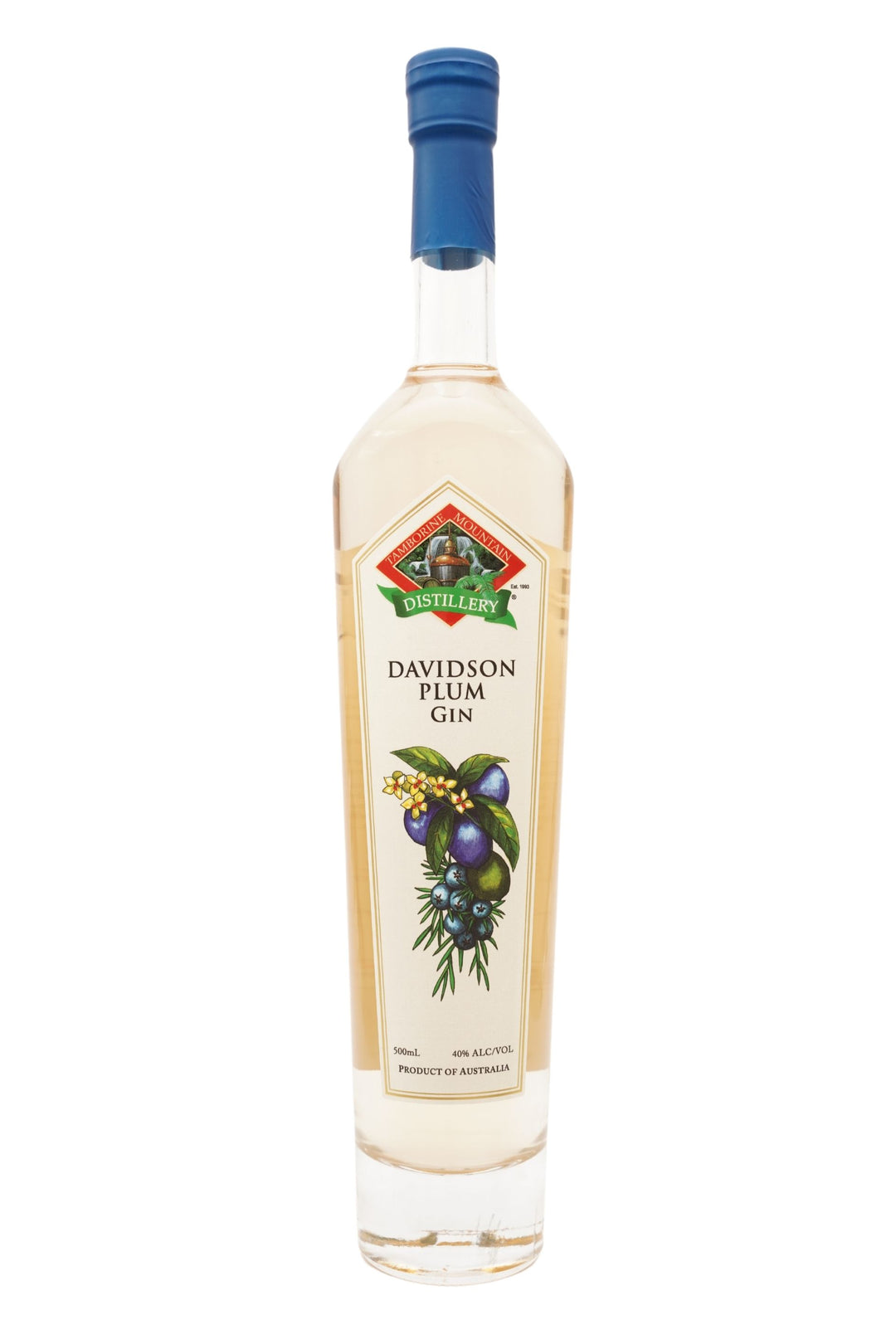
For Native Fruit Character: Davidson Plum Gin
Davidson Plum Gin brings distinctive fruit character to the Martini alongside the gin's botanicals.
Keep the rest simple with dry vermouth and a citrus twist so you can still taste what the gin is doing.
For Something Bright & Fruity: Lilly Pilly Gin
Lilly Pilly Gin offers another way to move beyond a conventional gin Martini while keeping the familiar gin-and-vermouth structure.
Try it with dry vermouth and experiment with a lemon twist.
For Spice & Fruit: Ginger & Rhubarb Gin
Ginger & Rhubarb Gin takes the Martini in a warmer, spicier direction.
Because the gin already brings plenty of character, there's no need to complicate the drink with lots of additional ingredients.
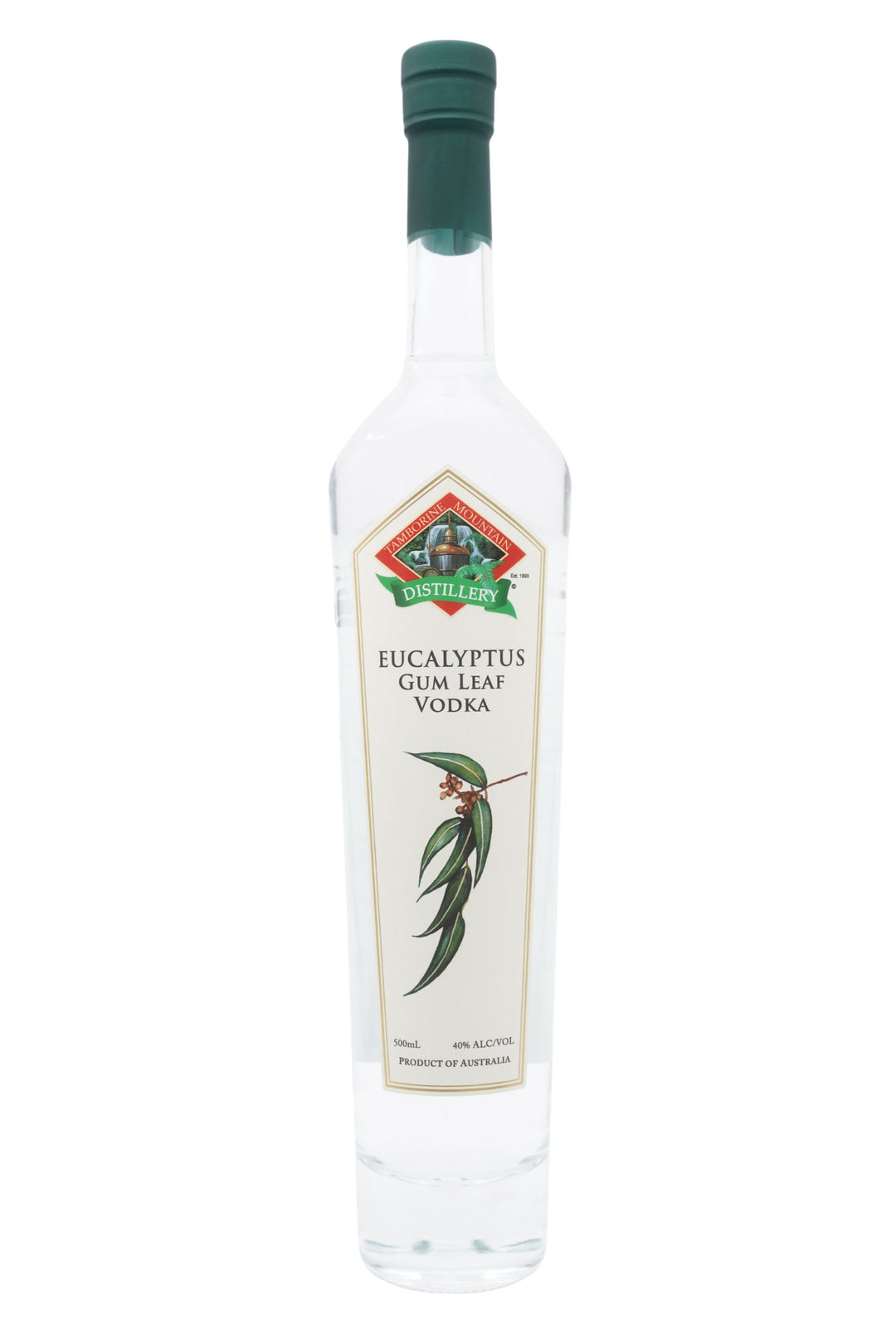
For Australian Botanical Character: Eucalyptus Gum Leaf Vodka
A vodka Martini doesn't have to be neutral.
Eucalyptus Gum Leaf Vodka introduces an Australian botanical character to an otherwise beautifully simple drink.
Keep the vermouth restrained and let the vodka do the talking.
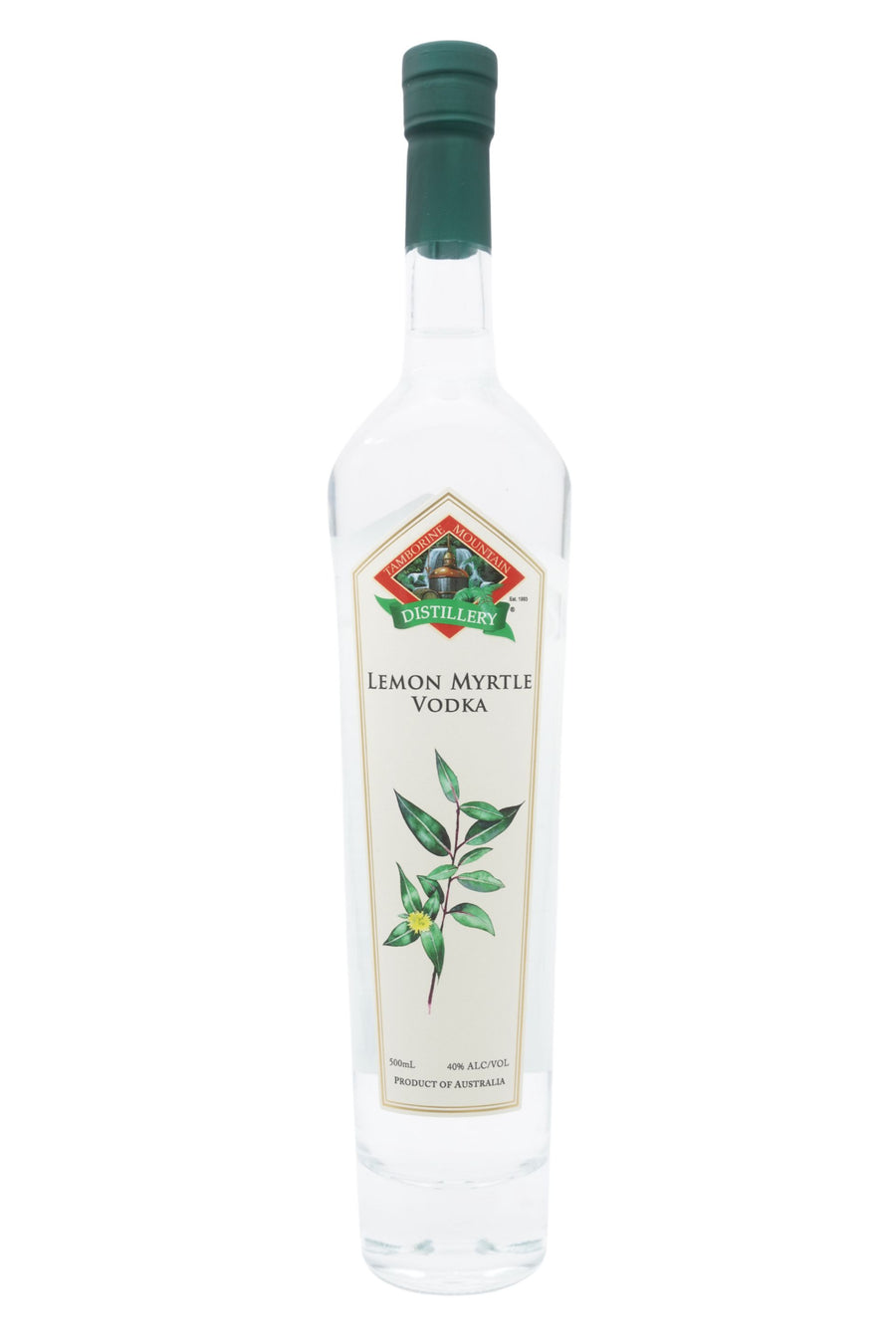
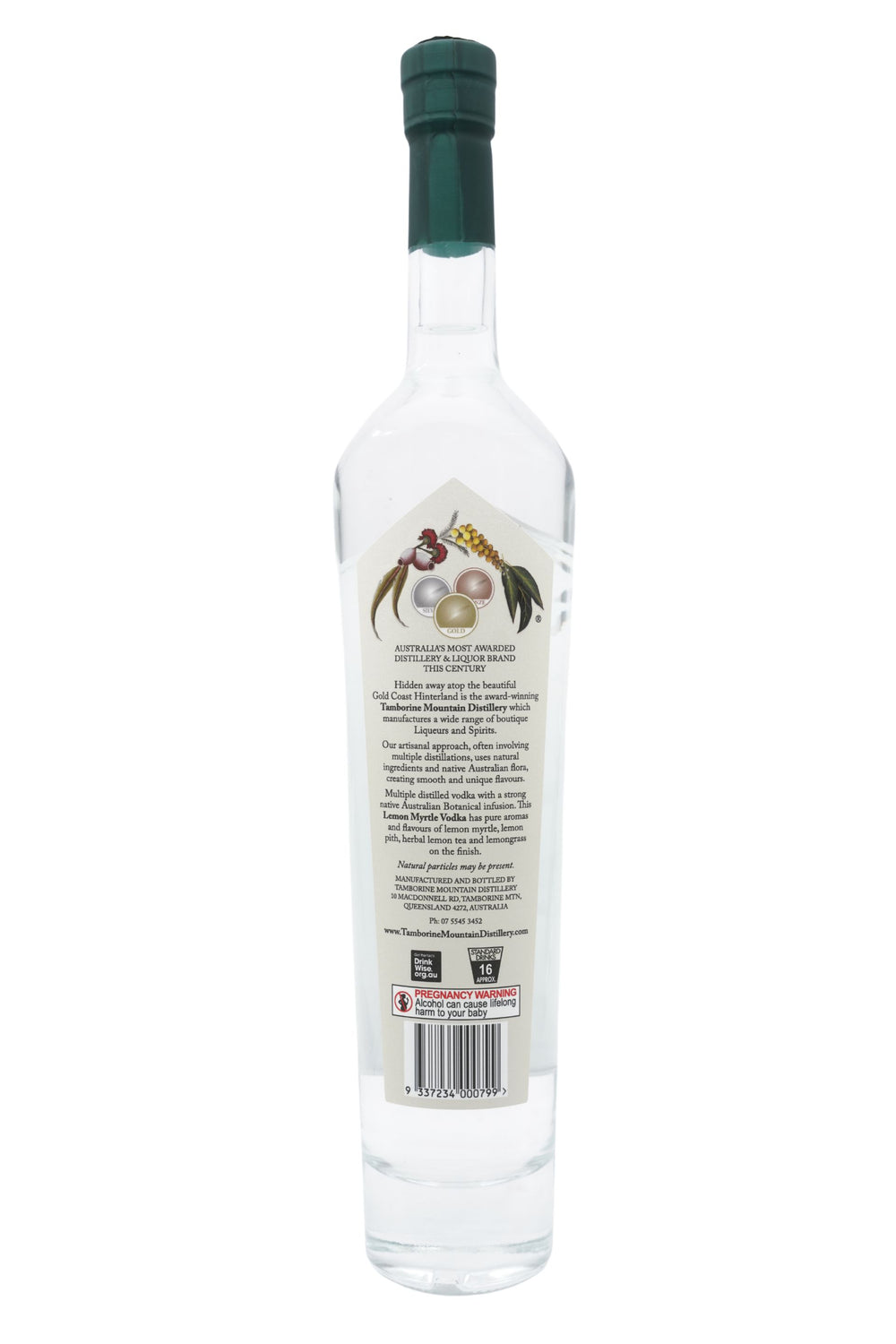
For Citrus: Lemon Myrtle or Wild Citrus Vodka
If you naturally reach for a Martini with a lemon twist, citrus-led vodka is an obvious direction to explore.
Lemon Myrtle Vodka brings the distinctive aroma of lemon myrtle, while Wild Citrus Vodka takes the drink further into citrus territory.
A fresh lemon twist makes a natural finishing touch.
For Heat: Pertzovka Chilli Pepper Vodka
This is where the Martini gets considerably less conventional.
Pertzovka Chilli Pepper Vodka brings chilli character to the glass.
Rather than adding multiple other flavours, we'd keep the Martini itself simple and let that unexpected heat become the point of the drink.
For a Classic Vodka Martini: Neutral Vodka
Sometimes you don't want a twist.
You just want a Martini.
Our Neutral Vodka gives you the clean starting point for experimenting with vermouth ratios, dilution and garnishes.
And because there are fewer competing flavours, it's a particularly good way to discover just how much those seemingly small Martini decisions matter.
How to Find Your Perfect Martini
Here's the experiment we'd recommend.
Start with the basic recipe:
60ml spirit + 10–15ml dry vermouth.
Stir it with ice and finish with a lemon twist.
Taste it.
Next time, add a little more vermouth.
Then try an olive instead of lemon.
Compare gin with vodka.
Try one of the botanical spirits.
And if curiosity eventually gets the better of you, shake one and compare it with the stirred version.
That's the beauty of the Martini.
The recipe is simple enough that small changes become surprisingly easy to taste.
A Classic That Leaves Room to Experiment
The Martini has survived changing fashions precisely because it doesn't need much.
Spirit.
Vermouth.
Ice.
A garnish.
But within those few ingredients are dozens of decisions — and that's what makes this seemingly simple cocktail so interesting.
At Tamborine Mountain Distillery, we'd encourage you to learn the classic first.
Then start breaking the rules.
Frequently Asked Questions
What is a Martini made from?
A classic Martini combines gin and dry vermouth, stirred with ice and strained into a chilled cocktail glass. It is usually garnished with either an olive or lemon twist. Vodka is also widely used in place of gin.
What is the best ratio for a Martini?
There's no single ratio everyone prefers. A useful starting point is around 60ml gin or vodka to 10–15ml dry vermouth. From there, use less vermouth for a drier, spirit-forward Martini or more for a softer, more aromatic drink.
Should a Martini be shaken or stirred?
A traditional Martini is generally stirred with ice, producing a clear drink with a silky texture. Shaking creates greater agitation and aeration and produces a somewhat different texture. Ultimately, it comes down to personal preference.
What makes a Martini dirty?
A Dirty Martini contains olive brine, which gives the drink a salty, savoury character. The amount can be adjusted depending on how “dirty” you like your Martini.
What is the difference between a gin Martini and a vodka Martini?
A gin Martini brings the gin's juniper and other botanicals into the drink, while a traditional vodka Martini generally provides a cleaner, more neutral base. Botanical or flavoured vodkas can create another style altogether.
When is World Martini Day?
World Martini Day is celebrated on 19 June each year — a good excuse to revisit the classic, experiment with a different ratio or discover an entirely new Martini style.