What Is Absinthe? History, Effects & How to Drink It
Absinthe Overview, History & Drinking Guide
Absinthe is one of the world’s most famous and misunderstood spirits. Known for its herbal complexity, rich cultural history, and traditional drinking ritual, it has evolved from a banned “forbidden drink” into a premium distilled spirit enjoyed worldwide.
In this guide, you’ll discover what absinthe is made from, where it originated, why it was banned, how it is consumed, and how it has returned as a respected craft spirit — including Australia’s award-winning Moulin Rooz Absinthe from Tamborine Mountain Distillery.

What is Absinthe?
Absinthe is a high-strength distilled herbal spirit traditionally flavoured with botanicals such as wormwood, anise, and fennel.
It is known for:
- A strong aniseed (liquorice-like) flavour
- A complex herbal profile
- A natural green colour (in traditional styles)
- A unique louche effect when diluted with water
Unlike simpler anise spirits, absinthe is layered, aromatic, and traditionally enjoyed through a slow water-dilution ritual.
What is Absinthe Made From?
Traditional absinthe is made using a blend of carefully selected herbs, most importantly:
- Wormwood (Artemisia absinthium)
- Green anise
- Fennel seeds
- Hyssop and other aromatic herbs
- Optional floral or spice botanicals, depending on the distiller
Modern craft absinthe, including our Moulin Rooz Absinthe, may also incorporate native Australian botanicals to create a unique regional expression.
The Origins of Absinthe
Absinthe originated in the late 18th century in Switzerland as a medicinal herbal preparation.
It is widely credited to Mother Henriod in Couvet, who infused wormwood into alcohol as a natural remedy for digestive ailments. The recipe was later commercialised by Major Daniel Henri Dubied-Duval, helping transform absinthe into a commercially distilled spirit.
From Switzerland, absinthe spread into France, where it would become one of the most iconic spirits in European drinking culture.

Absinthe in France: The Rise of “La Fée Verte”
By the 19th century, absinthe had become deeply embedded in French society and earned the nickname “La Fée Verte” (The Green Fairy).
It rose in popularity thanks to French soldiers returning from Algeria and quickly became a staple of café culture across France.
The Phylloxera crisis
When vineyards across Europe were destroyed by phylloxera in the late 1800s, wine became scarce and expensive. Absinthe quickly filled the gap and became a popular alternative.
At its peak, absinthe was widely associated with:
- Writers and poets
- Painters and bohemian artists
- Paris café culture
This era also introduced “L’Heure Verte” (the green hour) — the traditional late afternoon time for drinking absinthe.
Famous absinthe drinkers included Baudelaire, Rimbaud, Hemingway, Van Gogh, Manet, and Degas.

Why Was Absinthe Banned?
Absinthe became controversial in the early 20th century due to claims it caused:
- Hallucinations
- Violence
- Mental instability
These claims were largely based on misinformation and social panic.
The truth about thujone
Absinthe contains thujone, a compound found in wormwood that was wrongly believed to be highly psychoactive.
Modern research shows:
- Thujone levels in absinthe are very low
- Effects attributed to absinthe were caused by high alcohol consumption, not hallucinations
The ban
A highly publicised incident in Switzerland in 1905 triggered public outrage. Combined with political pressure and competition from the wine industry, absinthe was banned across much of Europe and North America.
Absinthe Legalisation & Modern Revival
Absinthe began returning to global markets in the late 1990s and early 2000s.
Today, absinthe is:
- Legal in most countries
- Regulated for thujone content
- Recognised as a premium craft spirit
This revival has led to a global resurgence in traditional absinthe production and drinking rituals.

Is Absinthe Legal in Australia?
Yes. Absinthe is legal in Australia.
While it has historically been regulated due to wormwood-related restrictions, modern standards now allow licensed production and importation under controlled conditions.
Today, Australia produces high-quality craft absinthe alongside international brands.
Moulin Rooz Absinthe: Australia’s First Premium Absinthe
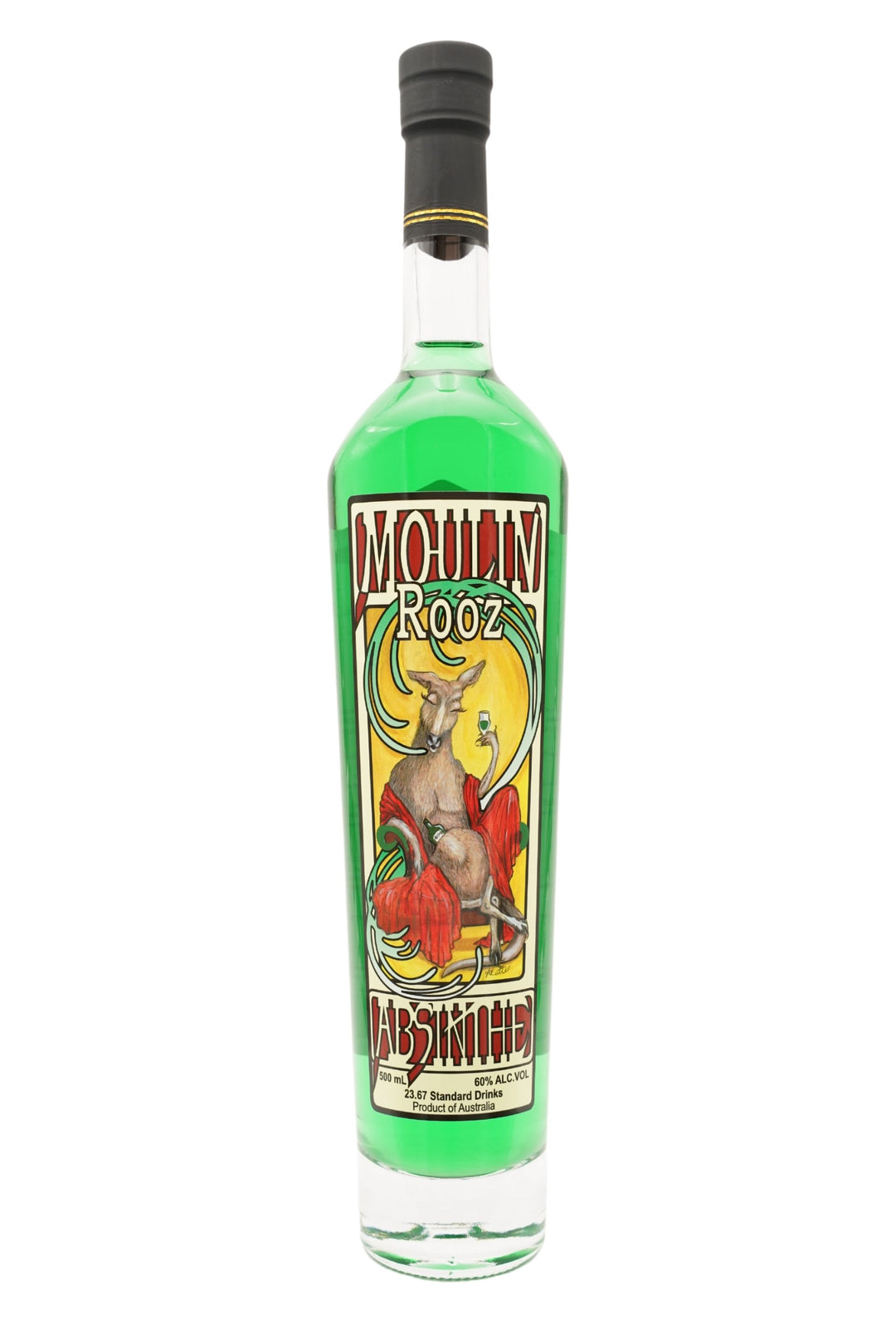
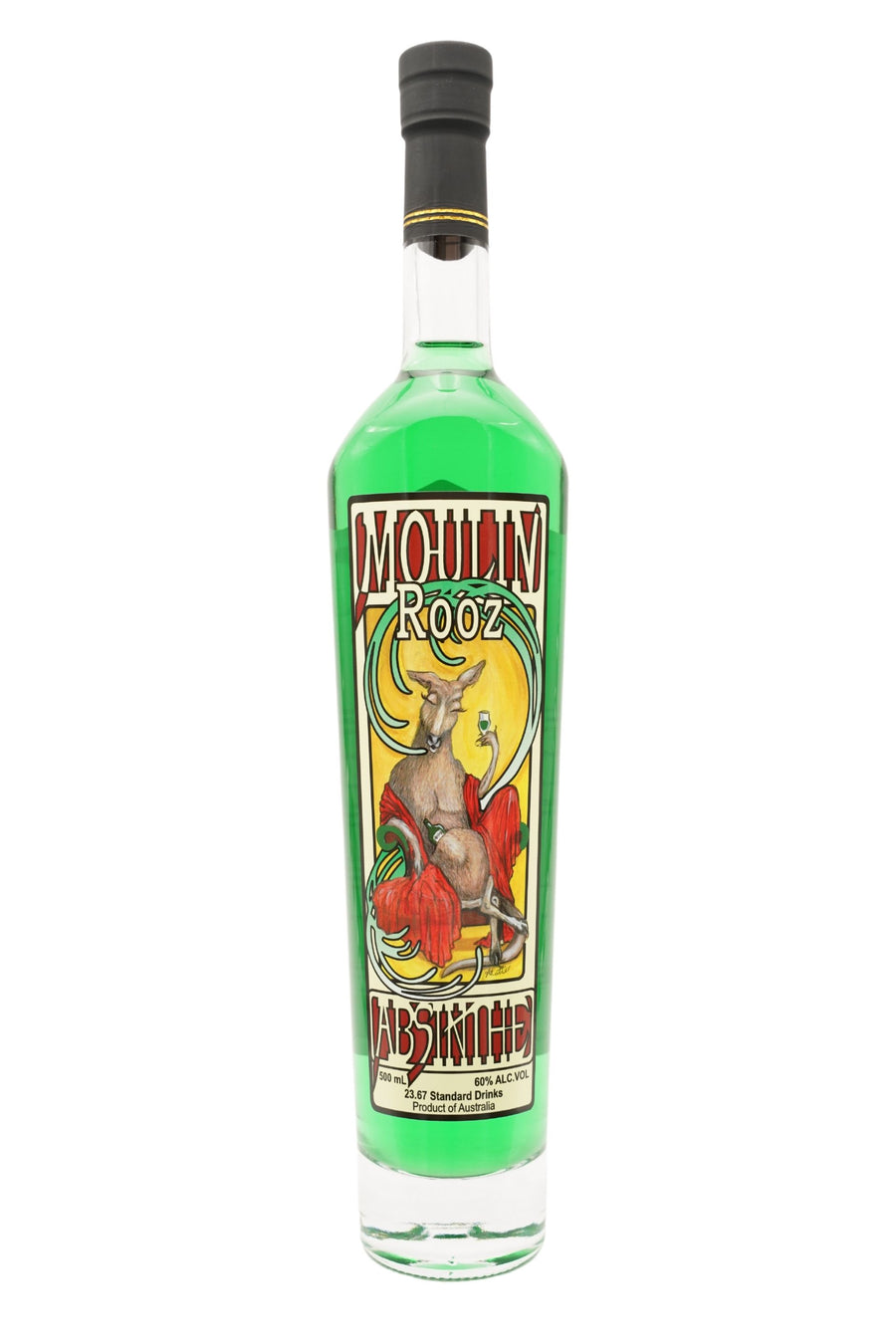
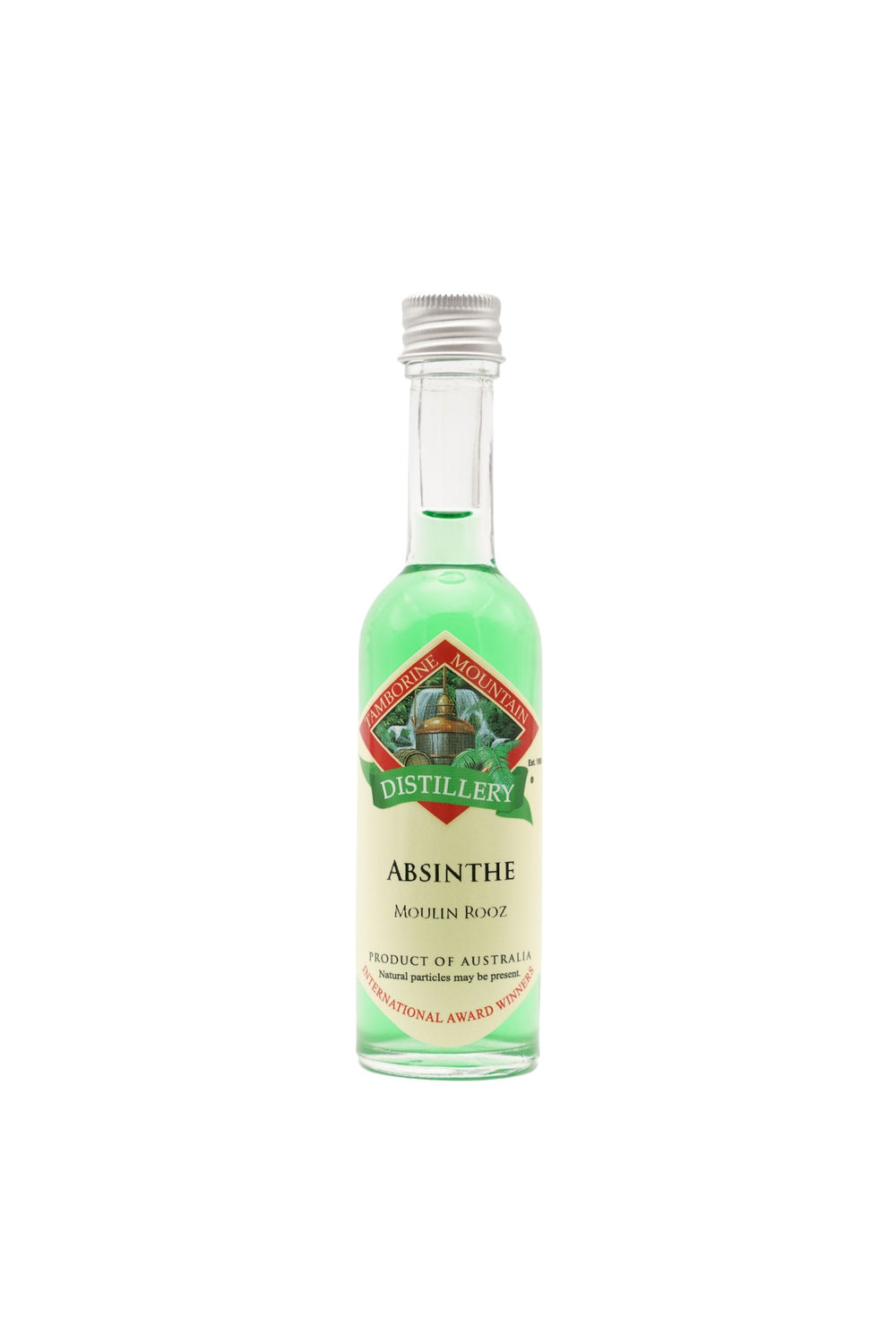
In 2007, Tamborine Mountain Distillery created Australia’s first premium absinthe under the Moulin Rooz brand.
Founders Michael and Alla Ward gained international recognition, winning a gold medal at the World Spirits Competition for their debut release, scoring 94/100.
Since then, Moulin Rooz Absinthe has received multiple international awards and established itself as a benchmark in Australian craft absinthe.

Why Moulin Rooz Absinthe Stands Out
Moulin Rooz Absinthe is more than just Australia’s first premium absinthe — it’s a modern interpretation of a historic European spirit, crafted with both tradition and innovation in mind.
The name Moulin Rooz is a playful nod to the iconic Parisian cabaret Le Moulin Rouge, a symbol of the glamour and artistic energy of the Belle Époque era. At the same time, it carries a distinctly Australian identity, with the “roo” subtly referencing the kangaroo.
The brand’s visual identity reflects this fusion of influences. The label design draws inspiration from the Art Nouveau movement, known for its flowing lines, bold colours, and intricate decorative style — echoing the layered complexity of the spirit itself.
Since its release in 2007, Moulin Rooz Absinthe has gained international recognition, earning multiple awards and establishing itself as one of Australia’s most celebrated craft spirits.
 |

|
A Modern Australian Take on a Classic Absinthe
While Moulin Rooz remains faithful to traditional absinthe production methods, it introduces a distinctly Australian expression through carefully selected native botanicals.
The spirit is multi-distilled and carefully crafted using a blend of classic absinthe ingredients alongside Australian botanicals such as:
- Lemon myrtle
- Aniseed myrtle
- Wormwood
- Fennel and hyssop
- Floral and herbal balancing elements like elderflower and gentian
This combination creates a spirit that is both traditional and contemporary — maintaining the essential character of classic absinthe while introducing a uniquely Australian botanical profile.
The result is a complex, aromatic, and finely balanced absinthe with layers of bitterness, floral lift, and earthy depth — representing both European heritage and the natural character of the Australian landscape.
How to Drink Absinthe (Traditional Method)
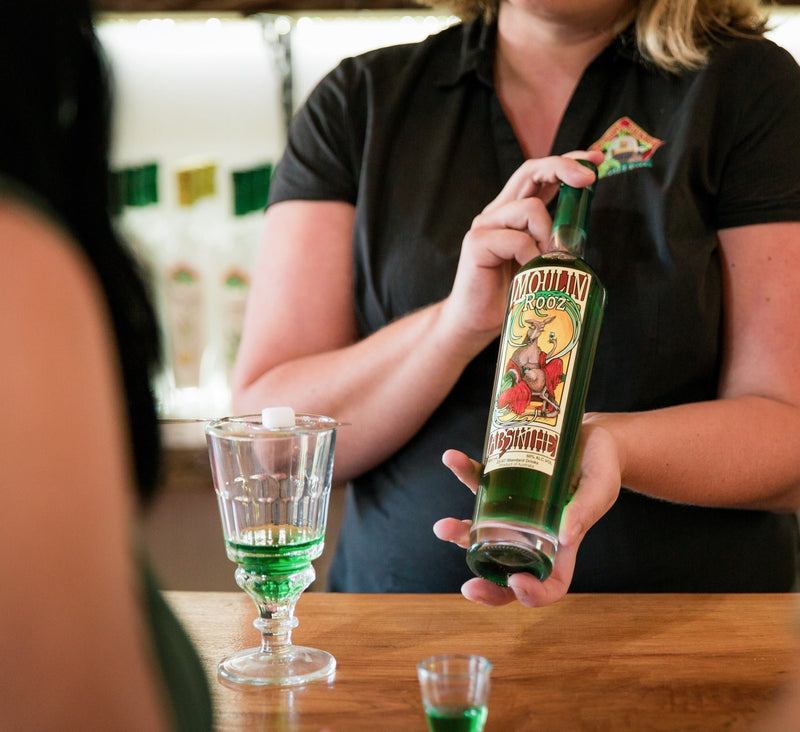
Absinthe is traditionally not consumed neat. Instead, it is prepared using the “la louche” method.
Standard serving ratio:
- 1 part absinthe
- 2 to 3 parts cold water
When water is added, the spirit turns cloudy — known as the louche effect — releasing its full aroma and flavour.

The Traditional Absinthe Ritual
Absinthe is famous for its ceremonial preparation, which enhances both flavour and experience.
Absinthe fountain
A slow-drip device that allows controlled dilution with cold water.
Absinthe glass
Specially shaped glassware designed for accurate measuring and proper dilution.
Absinthe spoon
A perforated spoon is used to hold a sugar cube while water is slowly dripped over it.
This ritual is central to the authentic absinthe drinking experience.
Absinthe remains one of the most fascinating spirits in history — shaped by myth, culture, art, and revival.
From its Swiss medicinal origins to its Parisian fame and modern craft resurgence, absinthe continues to hold a unique place in the world of spirits.
Moulin Rooz Absinthe represents this legacy today, combining traditional European methods with Australian botanical character.
Frequently Asked Questions
What is absinthe made from?
Absinthe is traditionally made from wormwood, green anise, fennel, and a selection of aromatic herbs and botanicals that create its distinctive flavour and complexity.
Does absinthe cause hallucinations?
No. Modern absinthe does not cause hallucinations. This was a historical myth linked to misinformation and misinterpretation of early reports. The effects associated with absinthe were primarily due to high alcohol content.
How do you drink absinthe properly?
Absinthe is traditionally diluted with cold water in a ritual known as “la louche,” typically using a ratio of one part absinthe to two or three parts water. This releases its full aroma and creates the signature cloudy effect.
Is absinthe legal in Australia?
Yes. Absinthe is legal in Australia and can be produced and imported under regulated standards that control botanical content and alcohol regulations.
What makes Moulin Rooz Absinthe different?
Moulin Rooz Absinthe combines traditional European distilling methods with Australian native botanicals such as lemon myrtle and aniseed myrtle, creating a complex, aromatic, and distinctly Australian expression of classic absinthe.
What glass should absinthe be served in?
A traditional absinthe glass is used, designed to measure the spirit correctly and support proper dilution during the water ritual.