How We Make Yuzucello: From 500kg of Fresh Yuzu to the Bottle
Inside a Yuzu Harvest at Tamborine Mountain Distillery
Some days at the distillery smell better than others.
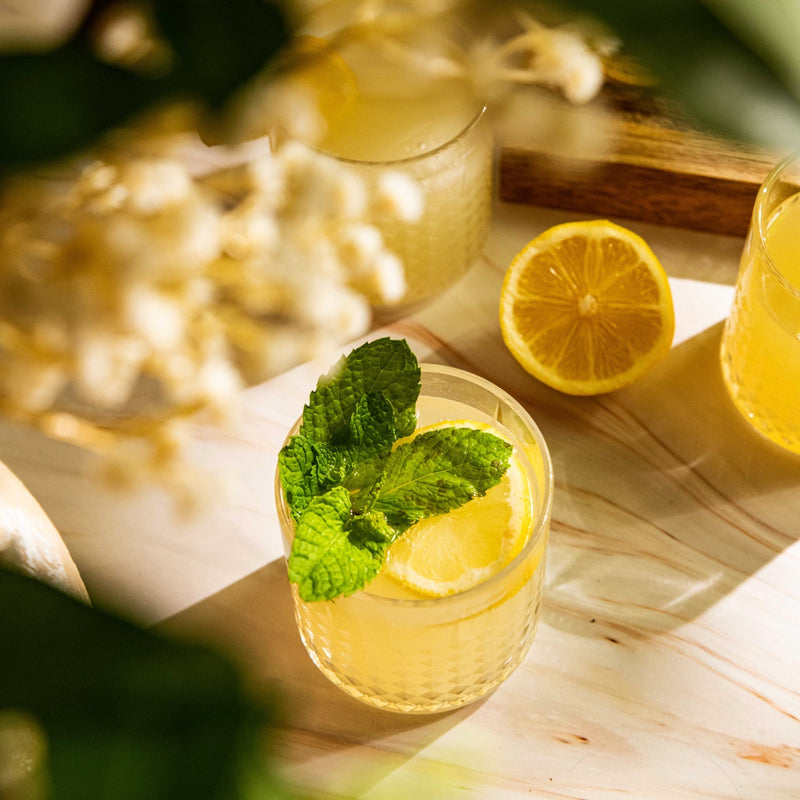
The arrival of more than 500 kilograms of fresh yuzu was definitely one of them.
Box after box of this intensely aromatic citrus fruit arrived ready for one very particular purpose: becoming our Yuzucello.
And before anything could make its way into an infusion tank, there was quite a lot of peeling to do.
What Is Yuzu?
Yuzu is an East Asian citrus fruit particularly associated with Japanese cuisine and culture, where its highly aromatic peel and juice are used across both sweet and savoury dishes.
It's difficult to describe its flavour by comparing it with just one familiar citrus.
You might recognise elements that remind you of mandarin, grapefruit and lemon, along with a distinctive aromatic character that is very much its own.
And when you're making Yuzucello, one part of the fruit is particularly important.
The peel.
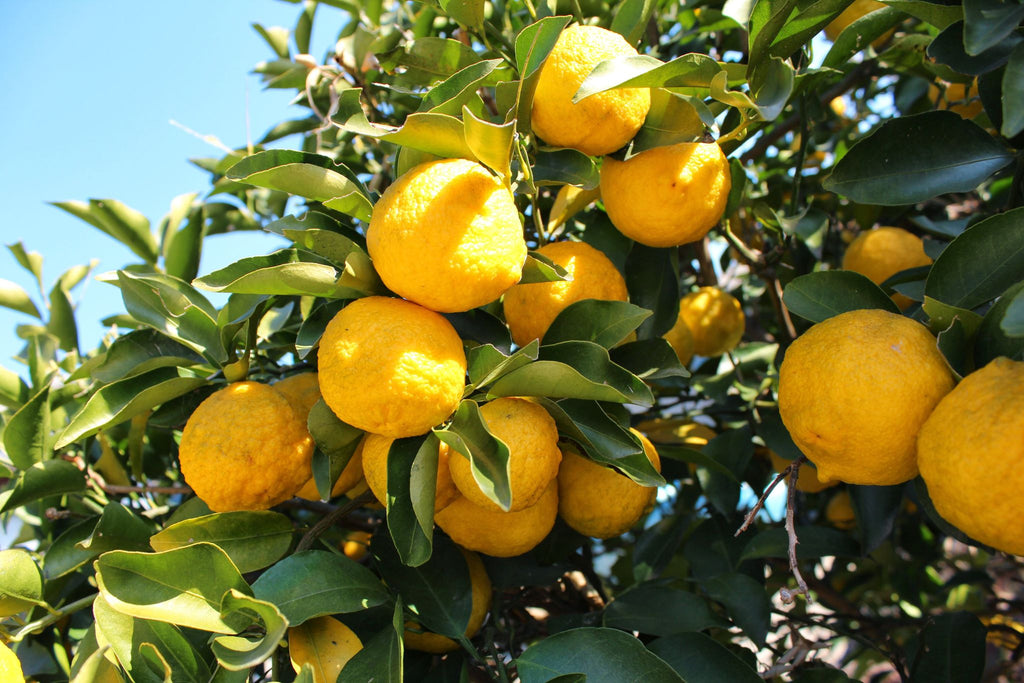
What Is Yuzu?
Yuzu is an East Asian citrus fruit particularly associated with Japanese cuisine and culture, where its highly aromatic peel and juice are used across both sweet and savoury dishes.
It's difficult to describe its flavour by comparing it with just one familiar citrus.
You might recognise elements that remind you of mandarin, grapefruit and lemon, along with a distinctive aromatic character that is very much its own.
And when you're making Yuzucello, one part of the fruit is particularly important.
The peel.
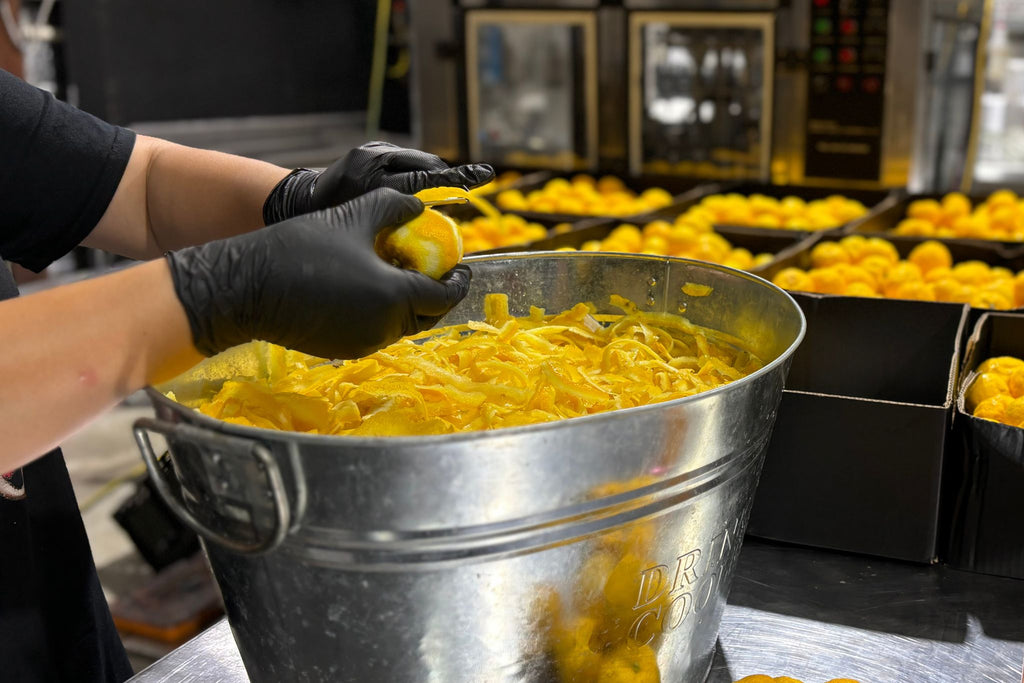
Once prepared, the yuzu peel is placed into alcohol and left to macerate.
Maceration sounds technical, but the basic idea is simple: the peel spends time steeping in alcohol, allowing its aromatic oils, flavour and character to move into the liquid.
There's no need to rush it.
Time does part of the work.
Gradually, the alcohol takes on the distinctive citrus aroma and character of the yuzu.
That infusion becomes the foundation of our Yuzucello.
Yuzucello Was Just the Beginning
Yuzucello wasn't the end of our fascination with the fruit.
It later inspired us to explore yuzu in two very different spirits — Yuzu Gin and Yuzu Vodka — and eventually to plant 25 yuzu trees of our own here on Tamborine Mountain.
That story deserves a chapter of its own.
► DISCOVER THE STORY BEHIND OUR YUZU GIN & VODKA
Is Yuzucello the Same as Limoncello?
They're close relatives in idea, but certainly not identical in the glass.
Both use citrus peel to capture the aromatic character of the fruit, but lemon and yuzu are very different citrus experiences.
Limoncello gives you that immediately familiar lemon character.
Yuzucello is harder to put into one box.
Its aroma and flavour can suggest mandarin, grapefruit and lemon, but the combination is distinctly yuzu.
If you're already a Limoncello drinker, Yuzucello is an interesting way to discover just how different two citrus liqueurs can be.
What Does Yuzucello Taste Like?
The first thing you'll probably notice is the aroma.
Yuzu is intensely fragrant, and that aromatic citrus character carries through into the liqueur.
On the palate, expect a balance of bright citrus, gentle sweetness and a slightly more complex aromatic character than you might expect from lemon alone.
But this is one of those flavours where description only gets you so far.
If you've never tasted yuzu before, the easiest way to understand it is simply to try it.
How Do You Drink Yuzucello?
Start simple.
Serve It Chilled
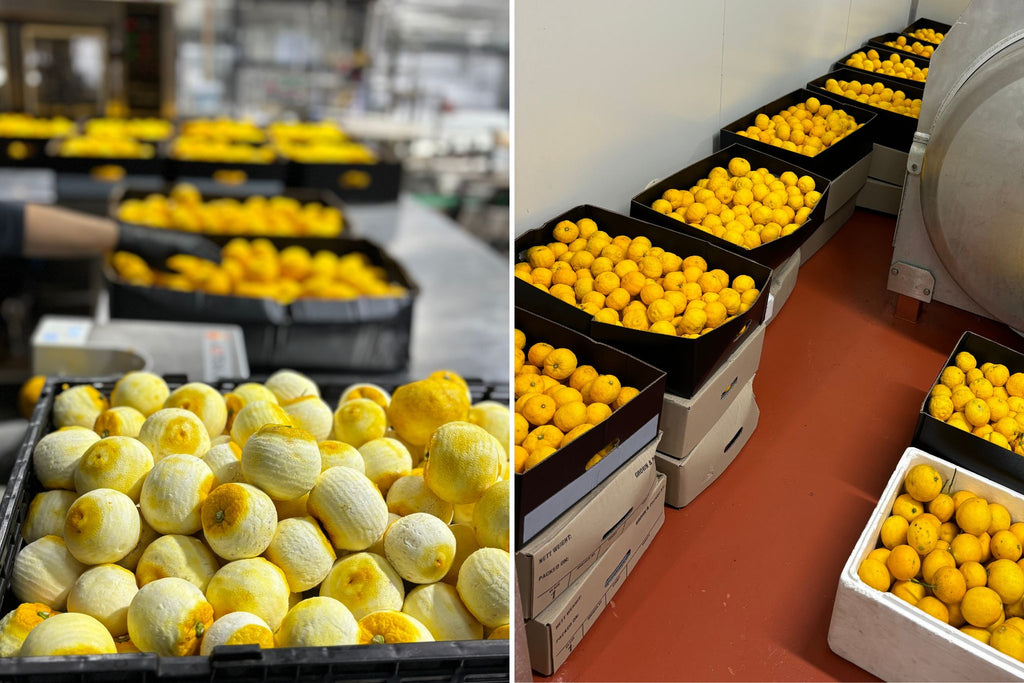
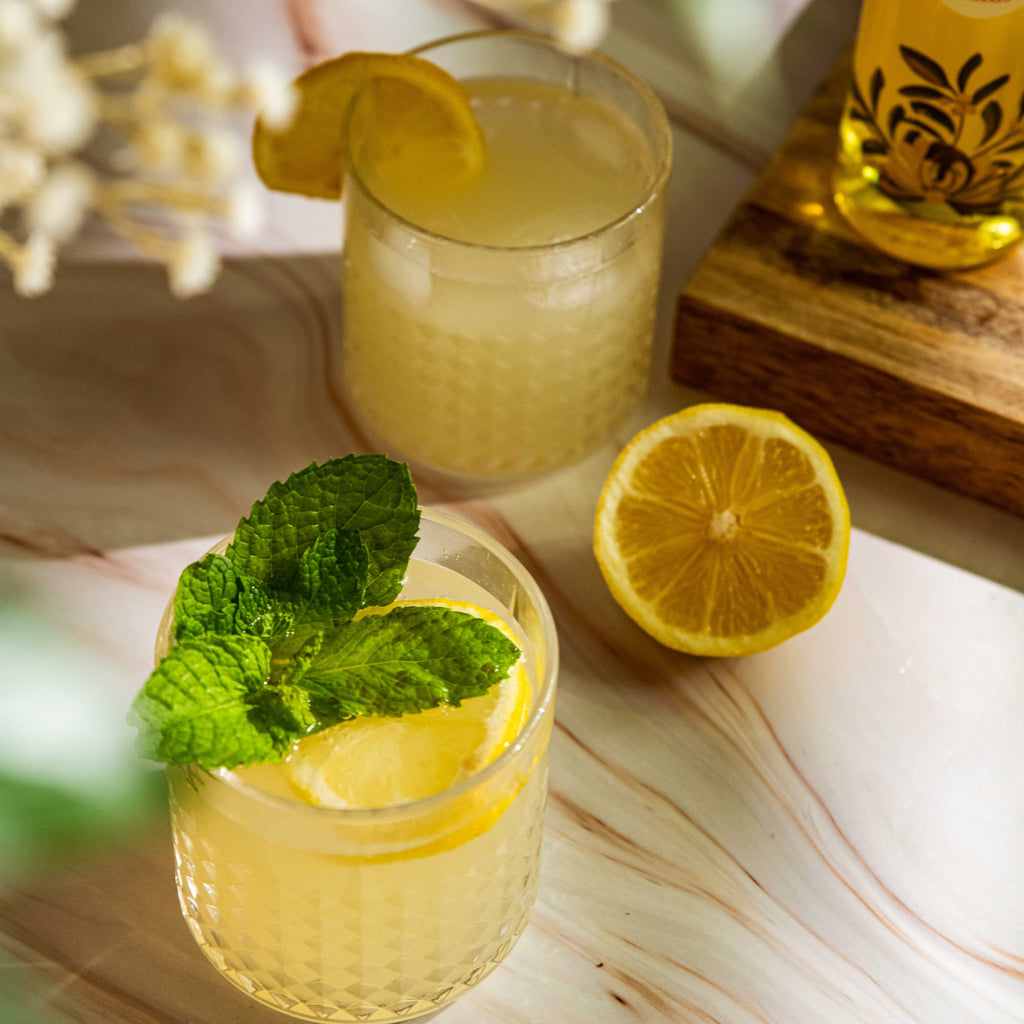
Try Yuzucello well chilled on its own so you can get to know the citrus before adding anything else.
Pour It Over Ice
A simple serve for a warm afternoon and an easy way to let the aroma open up as the ice begins to melt.
Make a Yuzu Spritz
Add Yuzucello to sparkling wine and soda over ice for a bright, refreshing long drink.
Try It in a Margarita
Use Yuzucello to introduce aromatic citrus and sweetness to a Margarita-style cocktail.
Experiment with Food
Yuzu's combination of citrus and aroma means it can also be interesting alongside food and in desserts — particularly where you'd normally consider using lemon or another citrus flavour.
► DISCOVER OUR YUZUCELLO COCKTAIL RECIPES
More Than 500kg of Citrus — One Very Fragrant Distillery
There's something satisfying about seeing an ingredient at this scale.
Boxes of fresh fruit arrive.
The peeling begins.
The infusion tanks fill.
Then time takes over.
Eventually, what started as more than 500 kilograms of fresh yuzu becomes something you can pour into a glass.
That's the part of distilling we never get tired of: following an ingredient from its original form through the processes that allow us to capture a particular part of its character.
In this case, it starts with a mountain of very fragrant citrus.
And ends with Yuzucello.
► VISIT TAMBORINE MOUNTAIN DISTILLERY
Frequently Asked Questions
What is Yuzucello?
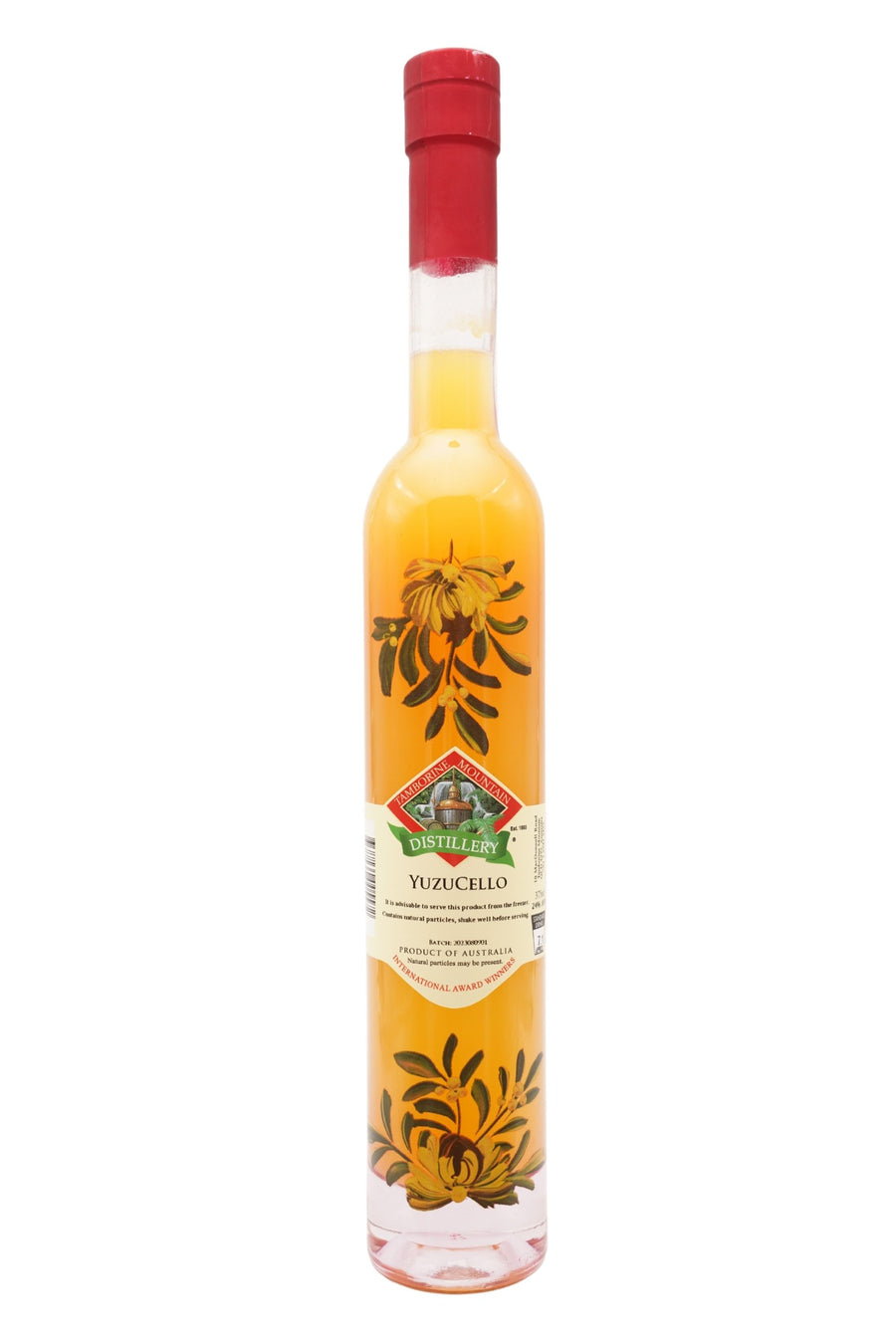
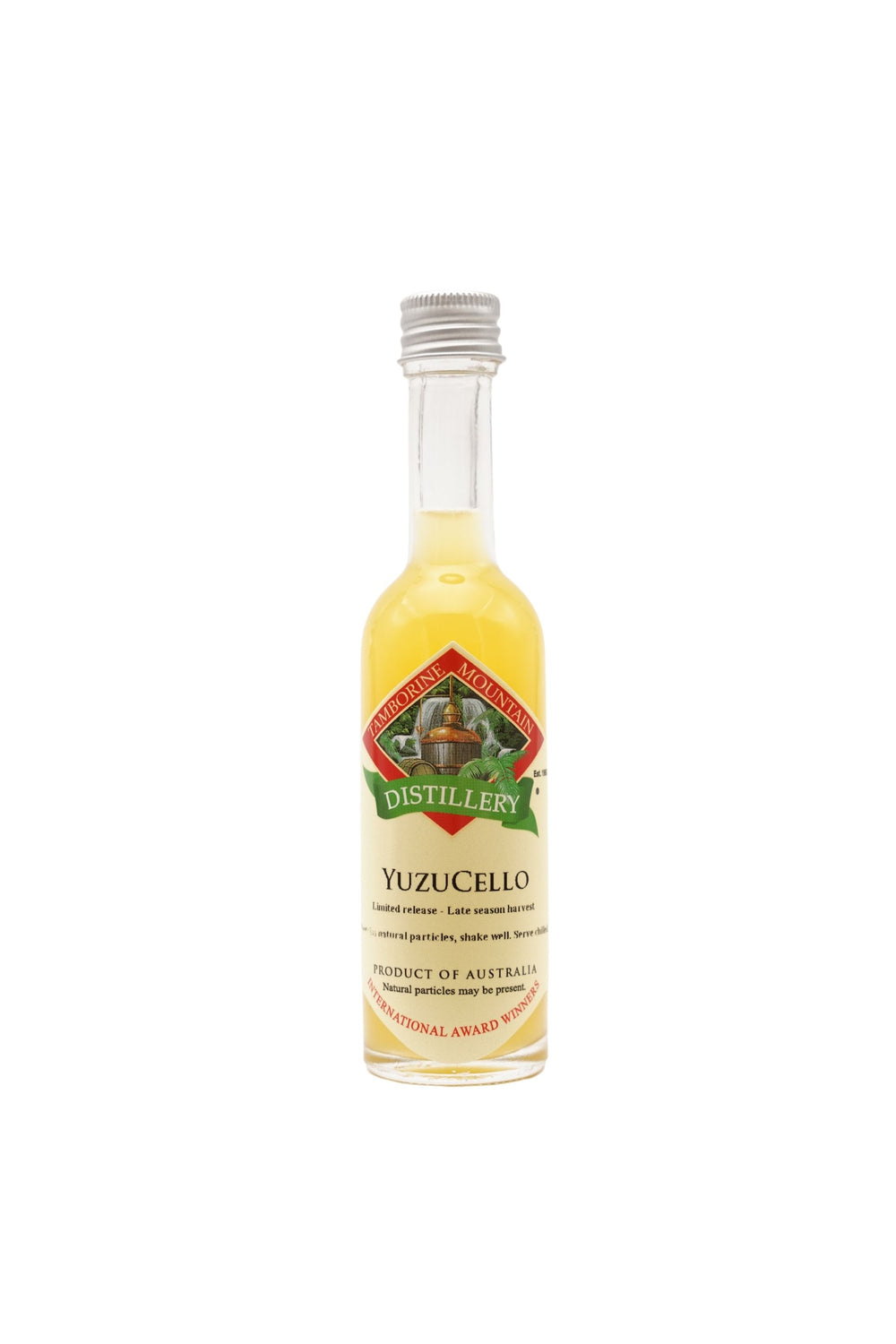
Yuzucello is a citrus liqueur inspired by the cello style of liqueurs, made to capture the distinctive aromatic character of yuzu. At Tamborine Mountain Distillery, fresh yuzu peel is macerated in alcohol to extract its citrus aroma and flavour.
What does yuzu taste like?
Yuzu has a distinctive aromatic citrus character that can remind people of mandarin, grapefruit and lemon. Its fragrance is particularly important, which is one reason the peel is so valued.
How is Yuzucello made?
At Tamborine Mountain Distillery, fresh yuzu is hand-peeled before the peel is macerated in alcohol. During this steeping process, aromatic oils and flavour from the peel move into the alcohol, creating the citrus infusion used for our Yuzucello.
What is the difference between Yuzucello and Limoncello?
The biggest difference is the citrus fruit. Limoncello showcases the familiar flavour and aroma of lemon, while Yuzucello captures the more complex aromatic citrus character of yuzu.
How should you drink Yuzucello?
Yuzucello can be served chilled or over ice, or used in cocktails. It works particularly well in simple sparkling serves such as a Yuzu Spritz and can also bring aromatic citrus character to Margarita-style cocktails.